
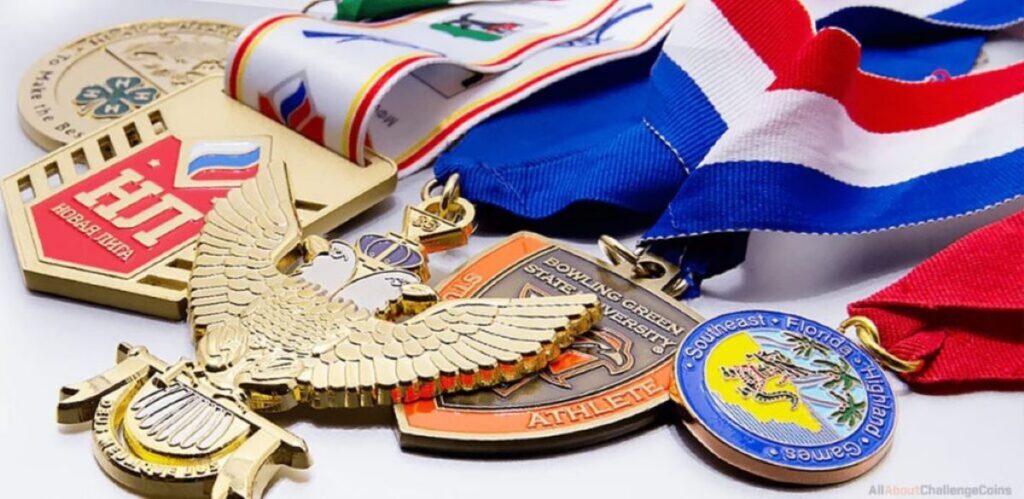
This guide breaks down what MOQs for custom acrylic pins actually look like, what pushes minimums up, and how they can order fewer without overpaying.
What do minimum order quantities for custom acrylic pins look like in 2025?
In 2025, the most common MOQ for custom acrylic pin is 25–50 pieces per design. Some vendors still start at 100, but many have moved lower because digital UV printing and laser cutting reduce setup time.
For buyers who want a very small run, “10-piece minimum” offers exist, but they often come with higher per-unit pricing and limited finishing options for custom acrylic pins.
Why do some suppliers still require 100+ pieces?
Higher minimums usually come from production workflow, not stubbornness. If a supplier batches acrylic sheets, schedules cutting time, and runs quality checks by lot, they protect margins by setting an MOQ.
Complex add-ons can also push the MOQ upward for custom acrylic pins, especially if the factory needs separate steps for epoxy domes, special backings, or custom packaging.
How low can they go if they only need a small batch?
Some shops can produce custom acrylic pins at 5–20 pieces, usually as a “sample” or “test run.” That works best when the design is print-ready, uses standard thickness, and avoids extra finishing.
If they want the lowest possible minimum, they should expect trade-offs: fewer coating options, fewer backing choices, and less tolerance for frequent revisions on custom acrylic pins.
Does the MOQ change based on size and shape?
Yes. Larger pins use more acrylic, more print area, and sometimes different cutting settings, which can raise costs and trigger higher minimums.
Unusual outlines, interior cutouts, or tight corners can also increase rejection risk, so a supplier may require a bigger run of custom acrylic pins to make the job worthwhile.
How does the number of designs affect the minimum?
Most suppliers set MOQs per design, not per order. If they order three designs at “50 MOQ,” they are usually buying 150 total.
Some makers offer “mix-and-match” deals where the total quantity is shared across designs, but that is less common for custom acrylic pins unless they are working with a small studio or a vendor focused on creators.
Which production choices increase the MOQ the most?
Finishes and hardware are the biggest drivers. Special effects like glitter acrylic, holographic overlays, or epoxy doming can increase setup complexity and failure rates.
Backings also matter. Standard rubber clutches tend to keep MOQs lower, while magnets, locking backs, or custom back stamps can raise minimums for custom acrylic pins.
What pricing should they expect at common MOQ tiers?
At 25–50 pieces, pricing is usually “starter tier” and can feel expensive per unit, especially with upgraded finishes. At 100–200 pieces, per-unit cost typically drops enough to justify the higher quantity for many sellers.
If they plan to retail custom acrylic pins, they often find that 100 per design is the first tier where margins feel comfortable.
How can they reduce the MOQ without compromising too much?
They can simplify options rather than shrinking quantity. Choosing standard thickness, standard backs, and one-sided printing often lets a supplier offer a lower minimum.
They can also keep multiple variants on the same cutting path, so the factory runs one outline while swapping artwork, which sometimes helps with custom acrylic pins minimums.
Other Resources : MOQ Meaning: What It Is and How to Negotiate Better Minimums from Asian Suppliers
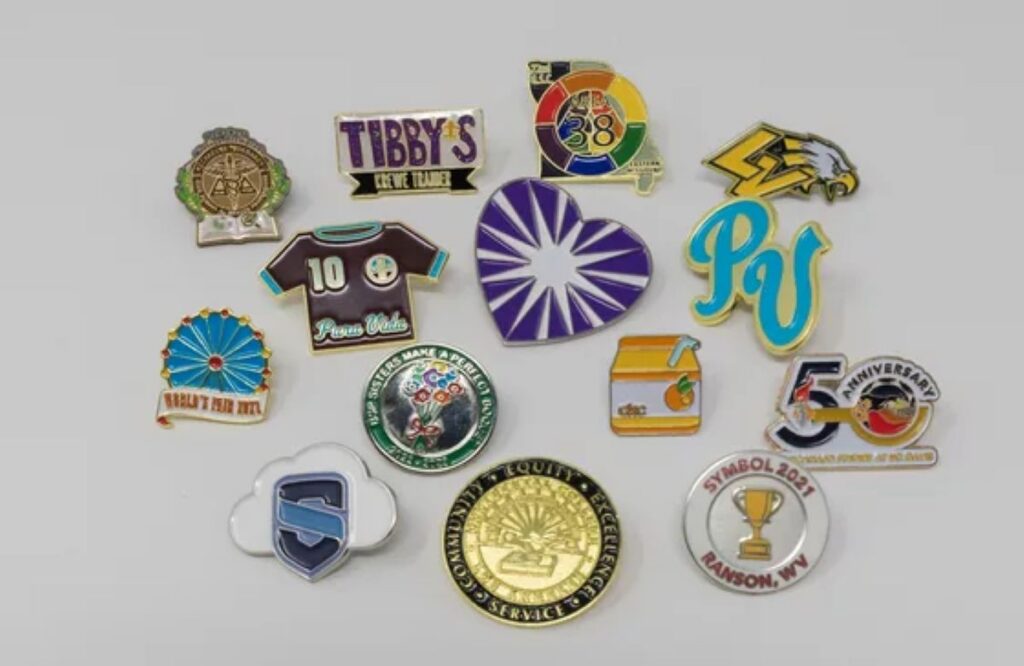
What should they ask a supplier before placing an order?
They should ask whether the MOQ is per design, whether “sample runs” are available, and what features are excluded at low minimums. They should also confirm lead time, remake policy, and color matching expectations.
Finally, they should request a clear quote that separates unit cost, setup fees, and shipping so the true minimum cost of custom acrylic pins is obvious.
More to Read : Custom Patches for Uniforms, Brands and Fashion: What Type Is Right for You?