
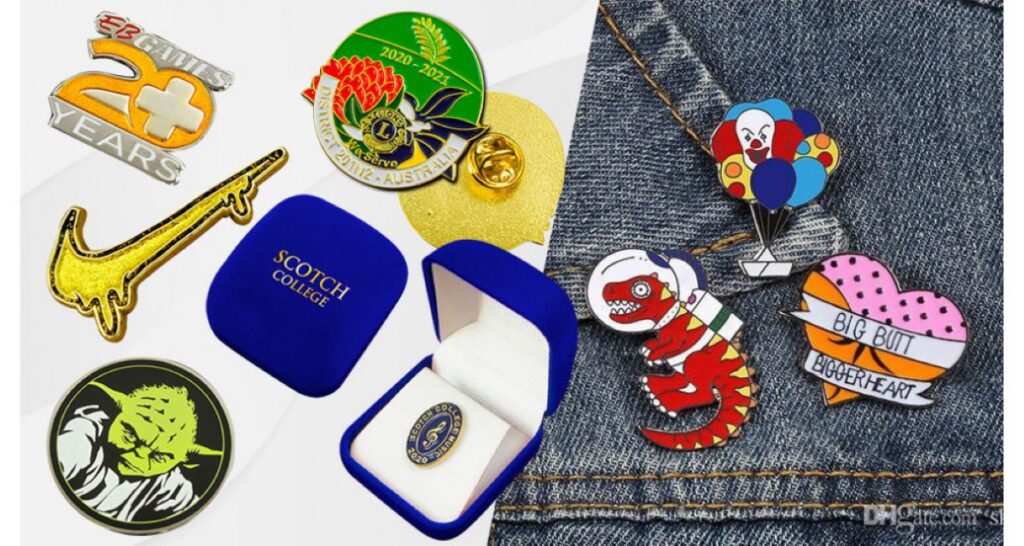
From workwear to streetwear, custom patches can signal rank, build brand recall, or simply make an item feel personal.
What are custom patches used for in uniforms, branding, and fashion?
They are used to show names, roles, locations, achievements, or brand marks in a durable, repeatable way. In fashion, they add texture and storytelling while keeping production flexible.
For uniforms, custom patches often replace direct embroidery to speed up onboarding and standardize appearance. For brands, custom patches can turn plain items into recognizable merchandise.
Which patch type works best for uniforms?
Embroidered, woven, and PVC tend to be the most uniform friendly because they hold up to handling and frequent wear. The best option depends on detail level and wash conditions.
If they need a classic stitched look for department logos, custom patches in embroidery usually fit. If they need small text, woven custom patches are often clearer.
When should they choose embroidered patches?
They should choose embroidered patches when they want a raised, traditional texture and strong visibility from a distance. This is common for security, schools, clubs, and service uniforms.
Embroidered custom patches work well for bold shapes and simple lettering. Fine gradients or tiny text can blur, so they may need larger sizing for readability.
When are woven patches the better pick?
They are better when the design has fine lines, small text, or tight spacing. Woven threads are thinner, so detail stays sharp.
For modern brand marks, product labels, or minimalist logos, woven custom patches can look cleaner than embroidery. They also sit flatter, which can feel more comfortable on lightweight apparel.
Why do PVC or rubber patches suit tough environments?
They resist moisture, abrasion, and grime better than thread-based options. This makes them popular for outdoor crews, tactical use, and gear bags.
If their uniforms face rain, mud, or repeated wiping, PVC custom patches can be a practical choice. They can also include 3D effects that stand out on jackets and hats.
How do leather patches change the look for brands and fashion?
They add a premium, heritage feel that suits denim, outerwear, and accessories. Leather and faux leather patches also age in a way many fashion buyers like.
If their brand wants a classic label look on hats or jeans, leather-style custom patches can reinforce that identity. They should confirm washing instructions because leather can shrink or darken. Click here to learn more about Custom Acrylic Pins: What Minimum Order Quantities Actually Look Like in 2025.
What backing should they choose: sew-on, iron-on, or Velcro?
Sew-on is the most secure and wash-safe for long-term wear. Iron-on is quick for casual use but can lift after heavy washing. Velcro is best when they need swapping or role changes.
For uniforms with rotating titles or departments, Velcro-backed custom patches simplify updates. For fashion drops, iron-on custom patches can speed up application, but stitching is safer for longevity.
What size and placement choices matter most?
They should size the patch so details stay readable at arm’s length and the shape fits the garment panel. Placement affects comfort, visibility, and how often it gets rubbed.
Common placements include chest, sleeve, shoulder, and hat fronts. For bags and outerwear, larger custom patches can work because there is more flat space.
How should they decide based on durability, wash, and budget?
They should start with the environment: daily laundering and hard use favor sewn-on and rugged materials. Next, they should match detail needs: woven for fine detail, embroidery for bold designs, PVC for harsh conditions.
Budget depends on size, stitch count, color count, and quantity. Ordering custom patches in bulk usually reduces per-unit cost, so planning ahead can help.
What is the simplest way to choose the right custom patches?
They should pick based on use case first, then design detail, then attachment method. A quick rule is: embroidery for classic uniforms, woven for small text, PVC for weather, and leather for premium branding.
If they are unsure, they can request samples of custom patches in two materials and compare them on the actual garment before committing to a full run.
See Also : Clothing and textiles